
Thermosyphon CPU Cooler - Modelling, Manufacturing and Performance Analysis
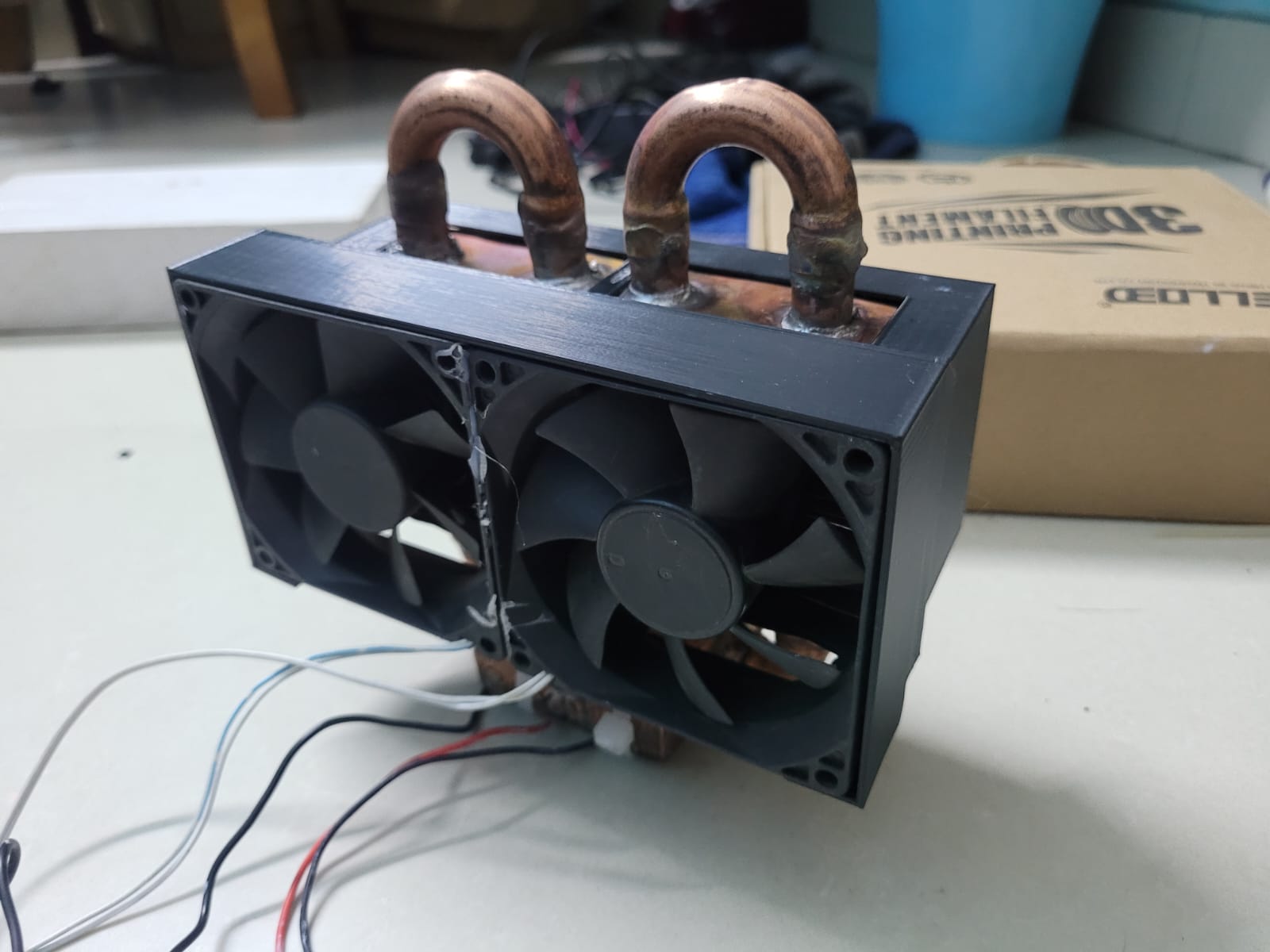
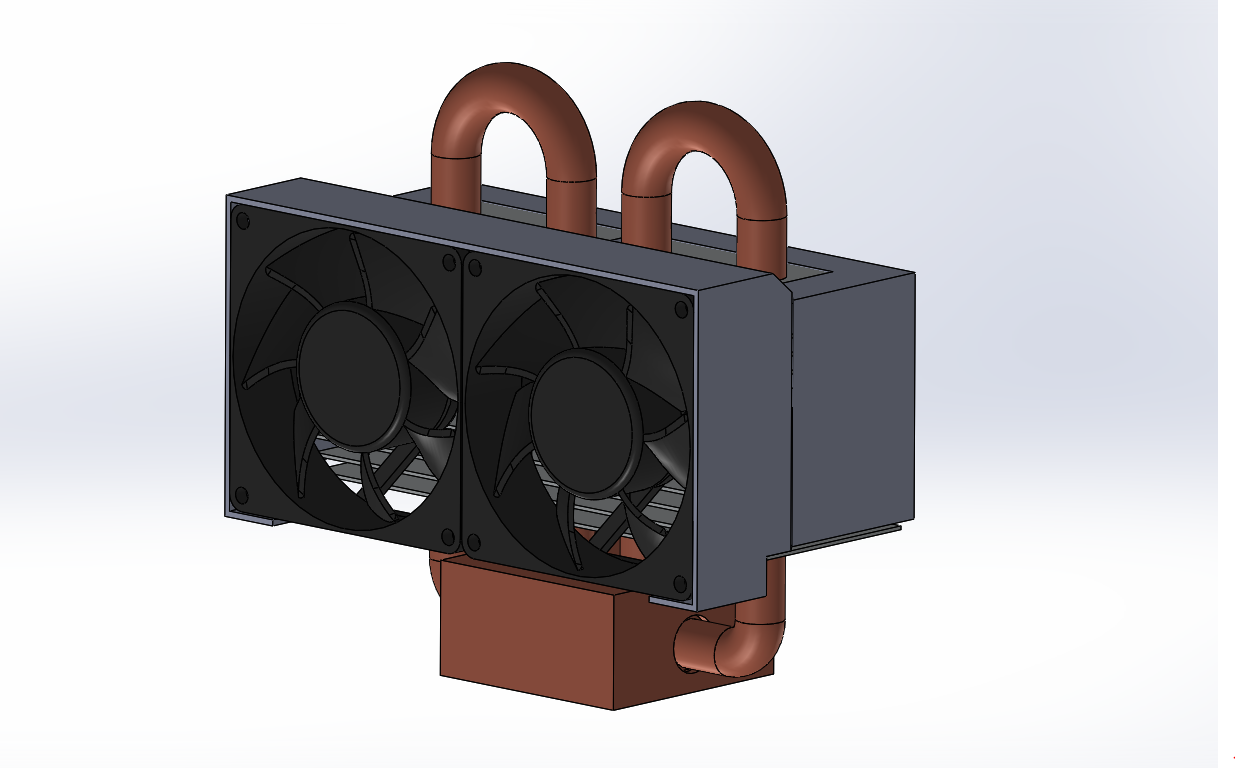
Syphon is primarily known as any device which allows fluid to flow upward above the surface of the reservoir. This uses no pump and instead relies on the age-old theory of gravity pulling it downward. The fluid is finally discharged at a level lower than the surface it originally came from. The uphill flow of fluid can be carried out using two different processes applicable and used based on different scenarios. The traditional theory focuses on the reduction of pressure at the top of the siphon. The atmospheric pressure pushes the liquid from the upper reservoir into the reduced pressure at the top and then over. On the other hand, these can also be done using natural convection. The circulation can either be done with either an open loop or closed loop. This circulation can be open-loop, as when a heated transfer tube positioned at the bottom of the tank transports a substance from a holding tank to a distribution point—even one mounted above the originating tank—or it can be a vertical closed-loop circuit with a return to the original container. Its objective is to reduce the complexity and expense of a typical pump while still transferring liquid or gas. When heat transmission to the liquid causes a temperature difference between one side of the loop and the other, natural convection of the liquid begins. Due to the phenomenon of thermal expansion, there will be a proportional difference in density across the loop for any temperature difference. As a result of being less
dense and buoyant, the warmer fluid on one side of the loop is more mobile than the cooler fluid on the other. The cooler fluid will sink below the warmer fluid, while the warmer fluid will float above it. Heat rises is a common phrase used to describe this natural convection process. The system’s heated liquid is moved upward by convection at the same time as cooler liquid returning by gravity replaces it.
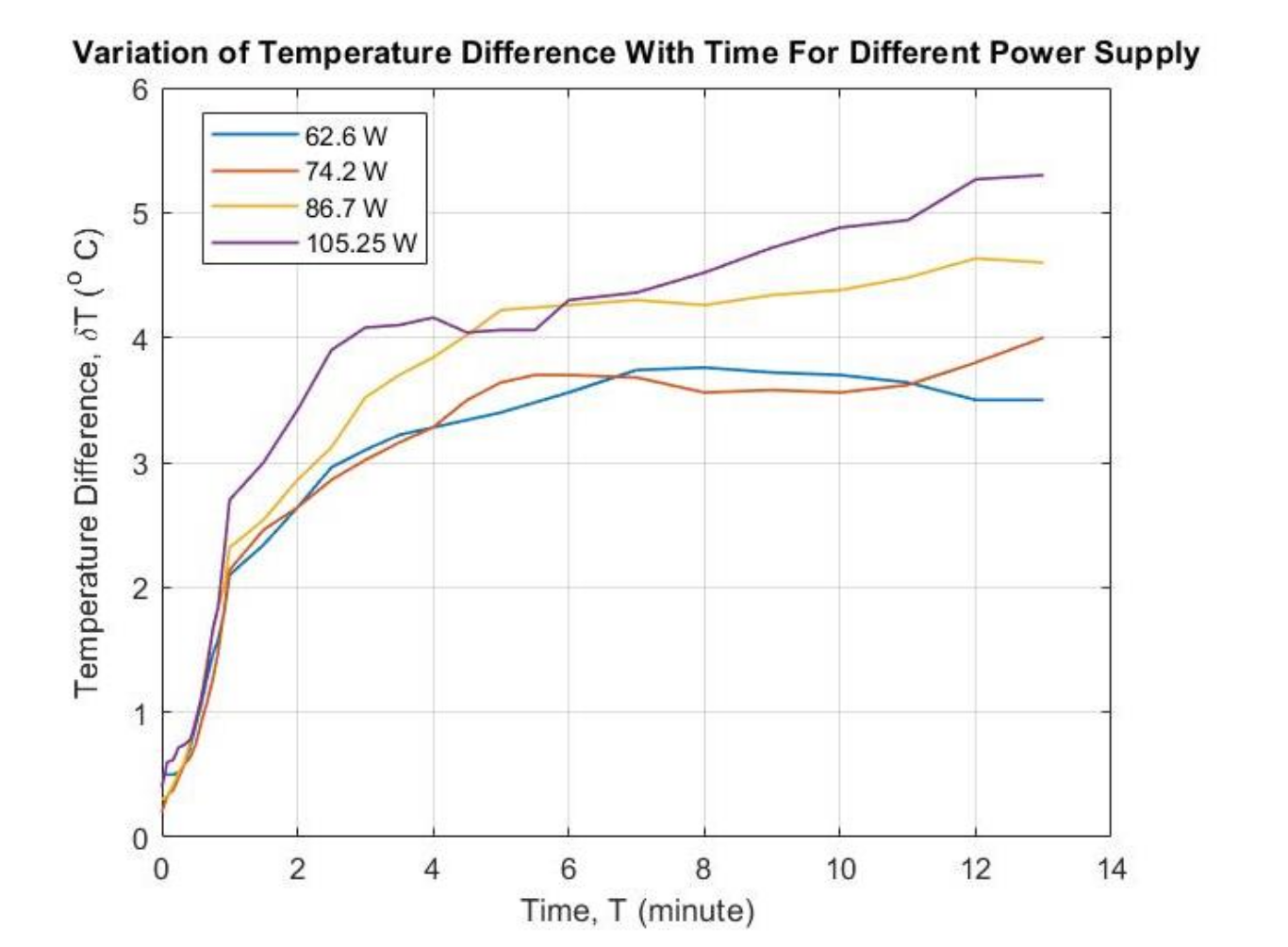
Experimental Results
Link to the project paper